Jul
15
2010
The Jackie Robinson Park in Harlem will be the location on July 21 at 8P for a free outdoor evening screening of Jump at the Sun, the PBS’ American Masters presentation of the Bay Bottom News documentary on Zora Neale Hurston. The event is sponsored by Reel Sisters and Reel Harlem.
Zora and the Slugger, who was the first black 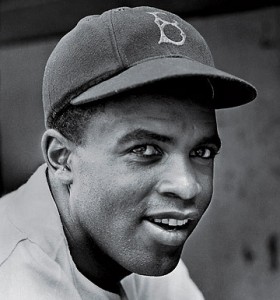 baseball player to sign with the Major League in 1947, shared similar politics. They backed Republicans but used the “cafeteria plan” – picking and choosing which of their politics and politicians they preferred in the party.
Although the park is in Harlem, it was the Brooklyn Dodgers who signed up Robinson not the NY Yankees. Up until then, black players played in the Negro Leagues. Robinson’s very fascinating life is detailed in Wikipedia.
I wish I could be there to join you, Jackie, and Zora. From that article in Wikipedia, it seems they both had the same spunk and spirit, and because of that, this world is a better place. Please be sure to buy a dvd from my good friend Elaine Beery who will be there in my absence.
For directions to the park, go the Jackie Robinson Park website.
no comments | posted in Events, Interesting Posts, Jump At The Sun Screenings, Uncategorized
Mar
31
2010
Zora Neale Hurston’s name is almost synonymous with the Harlem Renaissance. Yet, she spent only a modest amount of her time in Harlem during the decade it flourished as an incubator for black arts in America, from 1920 until the stock market crashed in 1929, launching the Great Depression.
 Zora arrived in New York in 1925 and in 1927 she was given a 16-mm camera and a car by her patron Charlotte Osgood Mason, and immediately headed south to Florida. A majority of the footage from 1927 consists of children playing games. Researcher Keith Bollum has identified the location as Loughman, Florida, the site of an immense central Florida lumber yard and sawmill, the same place where Zora gathered stories for her anthropological collection Mules and Men. Other footage appears to be Bartow where she documented a medical “root doctor” whom she also wrote about in Mules and Men. She side-tracked to Mobile Alabama, interviewing and filming Cudjo Lewis, the last living African to have made the Journey of the Middle Passage to America as a slave (on an illegal slave ship, as slave transport had been banned). Unfortunately, the audio didn’t survive, and neither did footage of “the Zulu Crew” from New Orleans, nor dancers on a beach (a list Mason created describing Zora’s footage is in an archive at Howard University). Because Zora’s interest was black folk culture, she shot footage at baseball bleechers in Florida, most likely one used by the Negro Leagues, and yet she filmed the average folks in the stands but not the players.
This early footage documented precisely the culture and people Zora wrote about in her books and was an important asset for my film, Jump at the Sun.
no comments | posted in About Filmmaking, Zora Neale Hurston
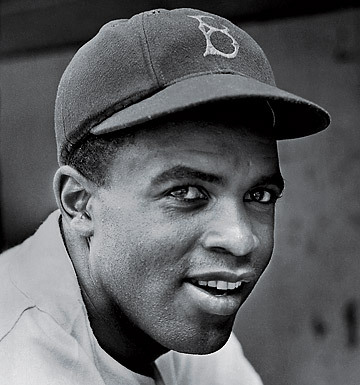 baseball player to sign with the Major League in 1947, shared similar politics. They backed Republicans but used the “cafeteria plan” – picking and choosing which of their politics and politicians they preferred in the party.